If you have spent any time following digital healthcare news recently, you have likely noticed that the term "telehealth" is being tossed around like the holy grail of modern medicine. As someone who spent nine years in the trenches of NHS admin—managing the messy, often invisible reality of booking appointments and chasing down lost referrals—I find the current hype cycle both fascinating and deeply exhausting.

Every week, a new press release lands in my inbox claiming that a specific app or platform will "revolutionize" healthcare. Having been the person who had to manually explain to a frustrated patient why their portal account was locked while the waiting room was physically overflowing, I’ve learned to take those claims with a grain of salt. So, why is everyone talking about telehealth trends UK right now? And more importantly, does it actually make your life easier as a patient, or is it just a slicker interface for the same old barriers?
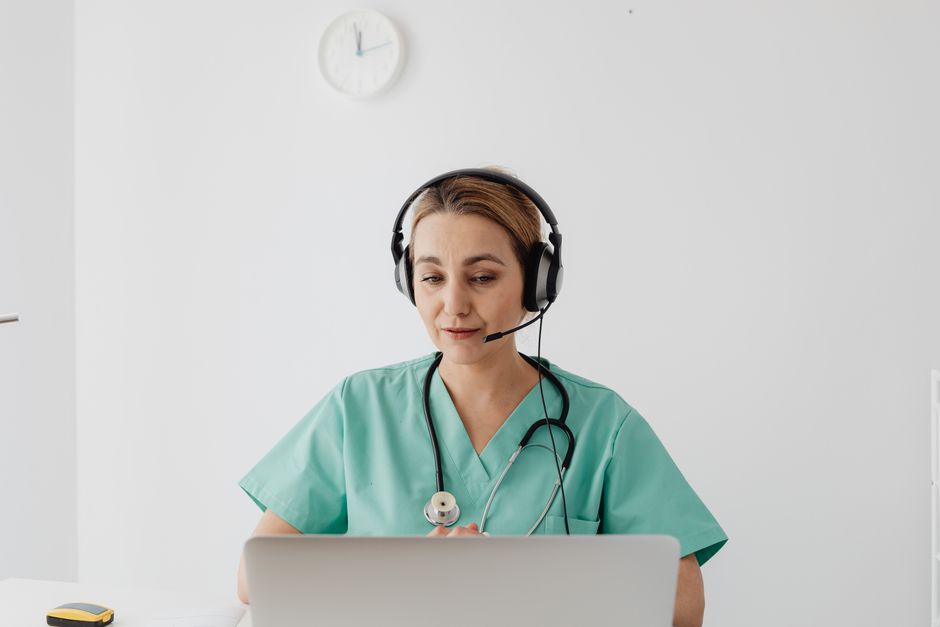
The Shift from "Nice-to-Have" to "Need-to-Have"
For years, telehealth was a niche service—often relegated to private providers or pilot programs that never quite made it past the "proof of concept" phase. Today, it’s being positioned as the backbone of the future NHS. But let’s cut through the https://highstylife.com/how-do-digital-follow-ups-work-after-a-remote-consultation/ buzzwords. The real driver here isn't just shiny technology; it’s an unsustainable capacity crisis. When people talk about "faster access," they often omit the crucial context of triage. You don’t get faster access just because there’s a video screen; you get it because the triage system effectively directs the right patient to the right clinician.
The current conversation in digital health is finally moving beyond just "getting a doctor on a screen" and toward actual integration. The question I always ask is: What happens after the call ends? If a telehealth appointment concludes with the patient being told, "You need a prescription, go see your GP," we haven't solved a problem; we’ve just added a middleman.
Key Trends Shaping the UK Landscape
Several factors are converging to make telehealth the hot topic of the moment. Here is what is actually moving the needle:
1. Faster Access and Flexible Scheduling
Marketing teams love to sell the dream of "instant" healthcare. While it’s true that video consultations can reduce the need for physical travel, the scheduling side of things is where the friction lives. The best platforms are those that allow for asynchronous booking—where you can see the availability of a clinician in real-time, rather than calling at 8:00 AM on a Monday and sitting in a phone queue for forty minutes. Additional info If a platform claims "flexible scheduling," it better allow me to cancel or reschedule via the same mobile interface without needing to email a generic inbox.
2. Breaking Down Geographical Barriers
For patients living in rural areas or those with limited mobility, remote specialist access is the single biggest win for telehealth. The ability to consult with a consultant who might be three hours away is legitimately transformative. However, we must ensure these services don't create a two-tier system where those with the best tech literacy get the best access. Geography shouldn't dictate the quality of care, but digital health tools must be intuitive enough for the 80-year-old patient, not just the 20-year-old tech enthusiast.
3. The Mobile-First UX Requirement
This is my biggest pet peeve. I see so many telehealth platforms that look brilliant on a desktop browser but crumble the moment you try to use them on a smartphone. In the UK, a massive portion of the population relies on mobile for their primary digital interaction. If the patient portal isn't fully responsive, or if it requires a clunky plugin that doesn't play nice with mobile browsers, it is a failed product. Patient expectations have shifted; people expect their healthcare app to be as easy to navigate as their banking app or their grocery delivery app.
4. Continuity of Care and Digital Prescriptions
The most successful implementations of telehealth are those that close the loop. Digital prescriptions are the unsung heroes of this evolution. When a clinician can end a consultation and have the prescription sent directly to the patient's local pharmacy via the Electronic Prescription Service (EPS), the patient feels the value immediately. This is what I call "end-to-end patient flow." Without that connection, the telehealth session feels like a disconnected event—a brief, shiny moment that leaves the patient to do the heavy lifting of coordinating their own follow-up.
The Reality Check: Traditional vs. Digital
To help you separate the marketing noise from the functional reality, I’ve put together this quick comparison table based on my experience inside and outside the clinical admin systems.
Feature Traditional (Legacy NHS) Modern Telehealth (Best Practice) Booking Phone queues; paper letters. Mobile app with real-time slot selection. Triage Receptionist-led, inconsistent. Algorithmic + clinical review. Prescriptions Paper slip; physical collection. Digital EDI to local pharmacy. Aftercare "Call us back if you get worse." Automated follow-up/summary in portal.Why the Vague Promises Frustrate Me
You’ll often see headlines in digital healthcare news shouting about "improved patient outcomes" with zero evidence to back it up. That is a massive red flag. Improving outcomes is a complex, long-term metric that requires more than just a video call platform. When I read these claims, I look for the fine print: How does the tool triage? What is the fail-safe if the patient has a critical issue? Is the digital record actually syncing with the primary care record?
We need to stop calling basic digitization "revolutionary." Offering a patient a video link is not revolutionary; it’s standard practice in 2024. Providing a seamless, integrated, and secure journey from symptom inquiry to resolution— that is the goal. We have to stop overpromising on speed without mentioning the reality of clinical capacity. A fast appointment means nothing if it’s the wrong appointment.
Conclusion: What Should You Look For?
If you’re a patient trying to navigate the current influx of telehealth services, keep your expectations grounded in your own experience. Ask yourself these three questions when you sign up for a new digital health service:
Is it mobile-first? If you can’t manage your care comfortably from your phone, keep looking. What happens after the call? Is there a clear path for prescriptions, referrals, and summaries? Is the system transparent? Does it explain its triage process, or does it hide behind "proprietary algorithms" that no one understands?Telehealth is here to stay, and it should be. It has the potential to make our healthcare system more responsive, more equitable, and more humane. But we need to demand better than "digital-first" buzzwords. We need systems designed with the understanding that behind every digital interface, there is a patient with a real problem, waiting for a real solution. Until the tech focuses on closing the loop—not just opening the line—the "revolution" is still just a conversation.