For years, I worked on digital transformation projects for the NHS. My job was simple: identify the friction points where patient data hits a wall and fix them. During that time, I saw everything from digitizing patient records to building out patient portals that actually worked. But when I talk to people today about the landscape of medical cannabis in the UK, I hear the same thing: "It’s practically impossible to get, right? It’s basically only for kids with epilepsy."
That is a myth. And it is a dangerous one, because it’s keeping thousands of patients in pain or settling for the illicit market when a safe, regulated, and digital-first alternative is sitting right in front of them. The "impossibility" isn't a legal barrier; it’s a UX, pricing, and communication failure.
The stigma-access gap
The confusion starts with the 2018 legislation change. People saw headlines, then they saw the NHS prescribing rates, and they assumed that because the NHS isn't handing it out like paracetamol, it’s illegal or restricted to a tiny fringe. This is the biggest piece of misinformation in UK healthcare right now.
The reality? The private sector has stepped in to fill the gap that the NHS, due to rigid NICE guidelines and funding constraints, currently cannot. If you are a patient with a treatment-resistant condition, you aren't fighting a law; you’re navigating a private healthcare model that has been poorly explained to the public.
Telemedicine: The great equalizer
Before the shift to digital-first healthcare, getting a specialist consultation for medical cannabis meant travel, time off work, and significant physical exertion—all things that chronic pain and mental health patients often can't handle.
Telemedicine changed the access model entirely. You no longer need to be near a Harley Street clinic. The current infrastructure relies on remote consultations where doctors review your medical history—which you can now export directly from the NHS app—to determine eligibility. The "impossible" barrier was actually just a lack of transport for the vulnerable. Telehealth solved that.
Pricing transparency: Stop hiding the numbers
My biggest gripe with the current crop of UK medical cannabis clinics is their pricing pages. If I see one more "Starting from..." header with no breakdown of the lifecycle costs, I’m going to scream. Patients are scared of the cost because the industry has been incredibly vague.
You cannot build trust if a patient doesn't know what their monthly bill looks like. A patient needs to understand the total cost of ownership, not just the initial hook. Here is what a transparent pricing breakdown should look like for any legitimate clinic:
Service Component Explanation of Cost Initial Consultation One-off fee for specialist assessment and eligibility review. Repeat Prescriptions The administrative cost for clinical review and issuance of scripts. Quarterly Reviews Follow-up consultations to adjust dosage and track outcomes. Medication Cost Varies based on product type, strain, and quantity prescribed. Pharmacy Dispensing Fee Handling and courier costs for secure, legal delivery.When clinics hide these numbers, they trigger the "it’s a scam" alarm in patients' heads. If you are running a clinic, give them a table. Give them a calculator. If they can’t budget for it, they won’t trust you.
The role of wearables in patient outcomes
We’ve spent the last decade collecting data on pulse, sleep, and activity levels via wearable health tracking devices. Yet, the medical cannabis industry is still treating prescriptions as "guess and check."
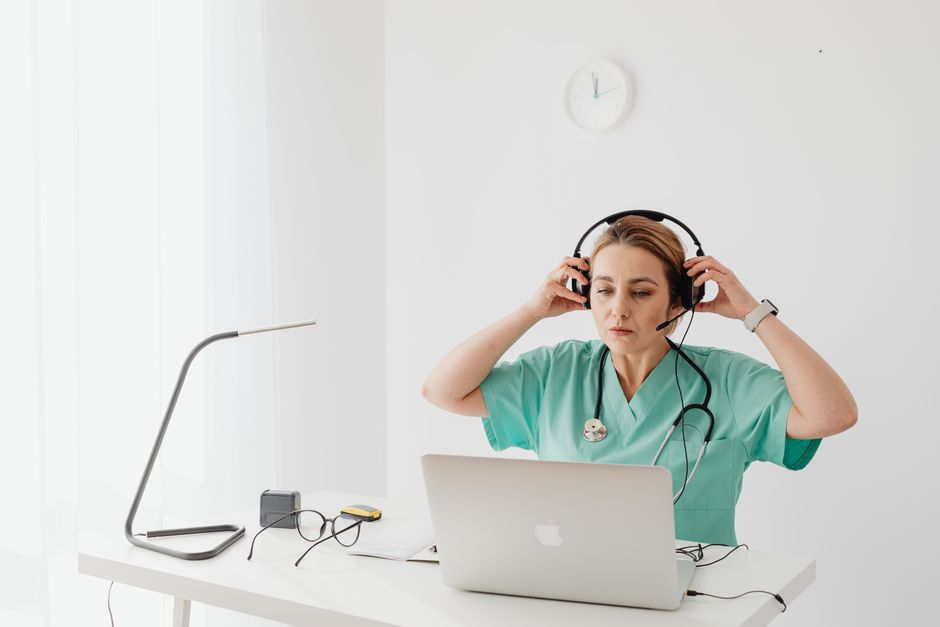
Digital-first clinics have the opportunity to integrate patient-reported outcome measures (PROMs) directly with wearable data. Imagine a dashboard where your doctor sees that your sleep metrics improved significantly following a change in your prescription, without you needing to wait for a three-month follow-up. This is the future of medical cannabis access: data-driven, evidence-based, and highly personalized. It moves the discussion from "I think it helps" to "The data proves it helps."
Trust signals: What to look for before you click
If you are a patient looking for access, ignore the buzzwords. Ignore the "natural medicine" marketing. Look for the boring, regulatory stuff. These are the trust signals that prove a clinic is legitimate:
- CQC Registration: Every legitimate clinic in England must be registered with the Care Quality Commission. Check their website. GPhC Pharmacy Links: Ensure the pharmacy dispensing the medication is registered with the General Pharmaceutical Council. Clear Complaint Processes: Do they have a transparent, documented procedure for what happens if your medication doesn't arrive or you experience adverse effects? Direct Consultant Access: Do you get to speak to a specialist doctor, or is it a nurse practitioner handling your first assessment? Transparency here matters.
Why subscription models are the future
The "pay-per-appointment" model is failing patients. It leads to patients skipping follow-ups because they are trying to save money, which then leads to them losing access to their prescription because the clinic hasn't verified their status in a while.
Subscription-based healthcare models are the solution. By bundling the administrative costs—the repeat prescriptions and the required quarterly reviews—into a predictable monthly fee, clinics encourage continuity of care. It keeps the patient compliant, https://smoothdecorator.com/why-does-regulation-matter-more-with-digital-first-healthcare/ it keeps the clinic organized, and it removes the "sticker shock" of the onboarding process. If a clinic doesn't offer a subscription path, they are stuck in 2010.
Is it really "impossible" or just poorly designed?
The stigma of medical cannabis in the UK is fueled by the lack of clear, professional, and accessible digital pathways. When you make it difficult for a patient to verify the legality, see the remote GP services UK pricing, and understand the workflow, you aren't protecting them—you are excluding them.
If we want to close the gap between perception and reality, we need to stop treating medical cannabis like an underground movement and start treating it like a standard digital health service. We need standardized pricing, clear regulatory signposting, and better integration with the digital health tools patients are already using every day.
The access is there. The technology is there. The only thing missing is the clinical industry's willingness to be as transparent as the patients they serve.
