In my eleven years working as a community health educator, I have heard the same sentiment thousands of times: "My friend takes this supplement and feels great, so why does it make me feel sluggish?" or "I took this medication with my coffee just like my neighbor does, and it completely upset my stomach."
The truth is that your body is not a standardized laboratory beaker. It is a complex, biological ecosystem. When we talk about individual response variability, we are really talking about the unique biological "fingerprint" that dictates how you process every substance—from your morning espresso to your prescribed medication.
Understanding why interactions vary is not just an academic exercise; it is a vital part of your daily health management. It moves you from "trial and error" to "informed decision-making."
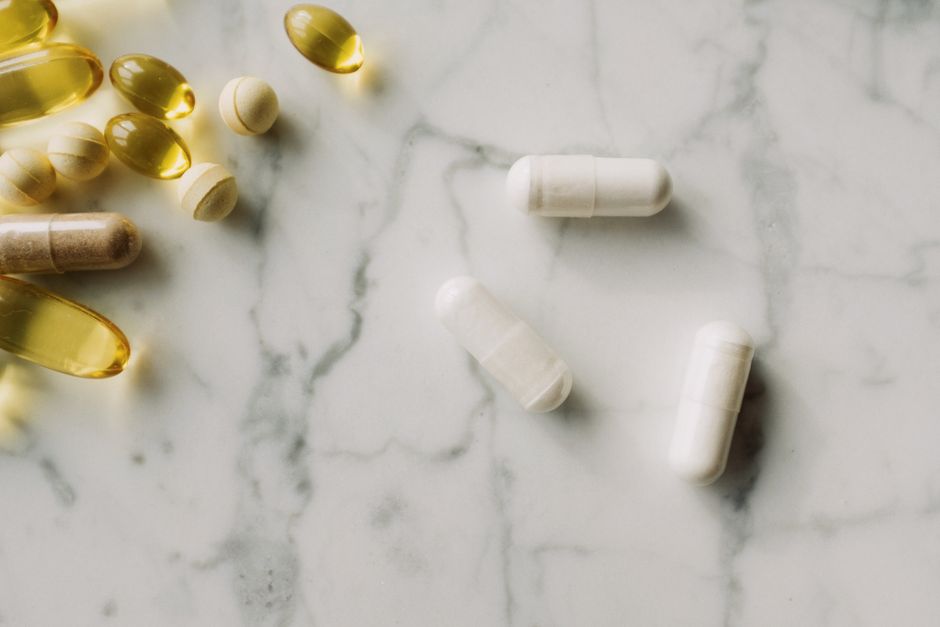
The Mechanics of Why We Are Different
When you introduce a substance into your body—whether it is a botanical supplement, a multivitamin, or a prescription pharmaceutical—your body has to break it down, move it through your bloodstream, and eventually clear it out. This process is rarely identical between two people.
1. Metabolism Differences: Your Internal Engine
The biggest driver of how you handle different substances is your metabolism. Most drugs and supplements are processed by a group of enzymes in the liver known as the Cytochrome P450 (CYP450) system. These enzymes act like a fleet of workers on an assembly line.
Depending on your genetics, you might have a "high-speed" version of a specific enzyme (making you a "rapid metabolizer") or a "slow-speed" version (making you a "poor metabolizer"). If you are a slow metabolizer for a specific drug, that substance stays in your system longer than intended. If you take a supplement that also requires that same enzyme, the "assembly line" gets backed up, leading to higher levels of the medication in your blood than your doctor intended.
2. Existing Conditions and Baseline Health
Your existing conditions—such as chronic kidney disease, liver health, or thyroid function—change the speed at which your body filters substances. For instance, if your kidneys are not filtering at 100% capacity, even a standard dose of a medication might build up to toxic levels over time, a concept known as "accumulation."
3. Dose and Timing
The "dose makes the poison" is an old adage, but it remains true. Beyond the amount, timing is equally critical. Taking a supplement with food might delay its absorption, while taking it with caffeine might accelerate it. These variables alter the "peak plasma concentration"—the highest point of a substance in your bloodstream—which directly influences whether you experience a therapeutic effect or an unwanted interaction.

The CBD Example: A Lesson in Caution
CBD (Cannabidiol) has become a staple in many wellness routines, yet it is a perfect example of why natural sleep aids vs prescription meds individual variation matters. Many people assume that because it is derived from a plant, it is "gentle." However, CBD is a potent inhibitor of the very CYP450 enzymes I mentioned earlier.
If you are taking a medication that requires those same enzymes to be broken down, CBD can effectively "stop the clock" on your metabolism. This is not about the CBD being "bad"; it is about the biology of the interaction. For someone on blood thinners or anti-seizure medication, this interaction is not just a minor annoyance—it is a medical concern that needs to be managed by a professional.
How to Research Safely in the Digital Age
We live in an era where information is abundant, but reliable information is scarce. Influencers often push products without acknowledging that their "miracle routine" ignores the basic rules of drug-supplement interactions. To stay safe, you need to develop a habit of critical research.
Using Search Engines Effectively
When you search for information, don’t just type "does X interact with Y." Instead, look for clinical databases. Use search terms like "Drug interaction checker" or "NIH [National Institutes of Health] supplement facts." Cross-check your findings across at least two reputable sources—think government health websites (like the NHS or FDA) or peer-reviewed medical journals.
Leveraging Educational Videos
Educational videos can be excellent for visualizing how a drug works in the body. However, be cautious. If releaf clinic reviews and patient care a video is selling a product, it is an advertisement, not education. Look for videos created by academic medical centers or professional pharmacist associations. They often use animations to show how the liver processes compounds, which can make the concept of enzyme pathways much easier to grasp.
Comparison of Information Sources
Source Type Reliability What to Watch For Peer-Reviewed Journals High Complex jargon; may be behind a paywall. Government Health Portals High May be slow to update with brand-new research. Pharmacist Databases Very High Specific to clinical interactions and dosages. Influencer Content Low Anecdotal, sales-driven, ignores contraindications.My "Questions for Your Pharmacist" Checklist
Pharmacists are the most underutilized resource in your wellness journey. They have the training to understand the chemistry of what you are putting into your body. When you bring a new product into your routine, take this list with you:
- "Are there any CYP450 pathways involved in this supplement that might affect my current medications?" "Does this product need to be taken with or without food to avoid absorption issues?" "Is there a 'washout' period or a specific time of day I should wait between taking this and my prescription?" "Are there early warning signs of an interaction I should watch for that might not be listed on the bottle?" "Given my history of [state your condition], is there anything in this ingredient list that could complicate my lab results?"
Avoiding the "Detox" Trap
I have spent years fighting the myth that you need to "detox" your body. When you hear that a product helps you "detox," ask yourself: By what mechanism? Does it change the acidity of your urine? Does it force your liver to dump enzymes? Most of these claims ignore the fact that your liver and kidneys are already doing a high-level job of detoxifying you every second of every day.
When a wellness influencer tells you to add a new protocol to "flush out toxins," they are often ignoring the pharmacological reality. Adding unverified supplements to "cleanse" your body can actually increase the burden on your liver, potentially creating new interactions that your body would have been better off without.
Final Thoughts: You Are the Expert on Your Experience
Wellness is not about chasing the latest trend or trying to follow the exact same routine as your friends. True health is about understanding your own biology, respecting your limits, and being an active participant in your care.
You have the power to curate a wellness routine that works for *your* body. Start by tracking how you feel when you introduce a new element, look for scientific evidence rather than influencer trends, and never be afraid to ask your pharmacist the tough questions. You aren't just taking a pill or a powder; you are managing a complex system. Treat it with the care it deserves.
Disclaimer: This content is for educational purposes only and does not constitute medical advice. Always consult with your primary healthcare provider or pharmacist before starting, stopping, or changing any medication or supplement routine.