Let’s have a real talk about your routine. It is 8:30 PM on a Tuesday night. You’ve just finished a long day, the house is finally quiet, and you are staring at your screen. You feel that familiar mid-week fog—the kind where your motivation has evaporated and you’re debating between scrolling for an hour or just collapsing into bed. You tell yourself it’s "just a long day," but have you looked at your plate today? More importantly, have you looked at your protein intake?
You know what's funny? i’ve spent 11 years coaching people through the messiness of real life. I’ve seen the "all-or-nothing" crowd crash and burn, and I’ve seen the people who treat fitness as mental maintenance thrive. One of the most consistent patterns I’ve noticed is this: when people stop viewing protein as just a "bodybuilding" tool and start viewing it as a foundation for metabolic and mental stability, the "I'm always tired" narrative starts to change. But why exactly does it feel like a cheat code for your brain?
Beyond "Gains": Why Protein is Your Brain’s Best Friend
We often hear that protein is for muscle repair, and that’s true. Protein and recovery go hand-in-hand because of the amino acids required to rebuild tissue damaged during exercise. But the science goes deeper. Your brain is a metabolic powerhouse that requires a constant supply of nutrients to produce neurotransmitters—the chemical messengers that dictate your focus, your mood, and your drive.
If you aren't eating enough protein, you aren't just lacking muscle recovery; you are typically limiting the precursors needed for chemicals like dopamine and serotonin. When you hit your protein goals, you aren't just "building muscle"—you are providing the raw materials for your brain to function at a higher baseline. This is where stable energy comes in. Exactly.. Protein slows down the digestion of carbohydrates, preventing the blood sugar spikes and subsequent crashes that leave you reaching for a third cup of coffee at 3:00 PM.
Dopamine: The Most Misunderstood Molecule
Everywhere you look on social media, you’ll see someone calling dopamine a "feel-good chemical." It drives me up the wall. Dopamine isn't a reward; it’s a motivation and anticipation molecule. It’s what drives you to seek out what you need to survive.

When you are chronically under-fueled, your brain struggles to maintain the drive required for basic tasks. You feel unmotivated, not because you’re "lazy," but because your biological feedback loop is starved. And here is the modern kicker: our smartphones and social media algorithms are designed to hijack this system. They provide cheap, synthetic dopamine hits that require zero effort, which can make the "hard" work of cooking a meal or doing a workout feel like climbing a mountain.
As the Cleveland Clinic has noted, the connection between nutrition and mental health is profound. When your internal biology is stabilized through consistent protein intake, you are less susceptible to the frantic, erratic reward-seeking behavior triggered by digital overstimulation. You aren't just eating for aesthetics; you're eating for emotional regulation.
The Recovery Equation: Sleep, Exercise, and Maintenance
Fitness is mental maintenance. It’s the way you ensure your nervous system can handle the stress of modern life. However, you cannot out-train a lack of sleep or chronic under-nourishment. If you are glorifying sleep deprivation, you are actively sabotaging your ability to maintain consistent energy.
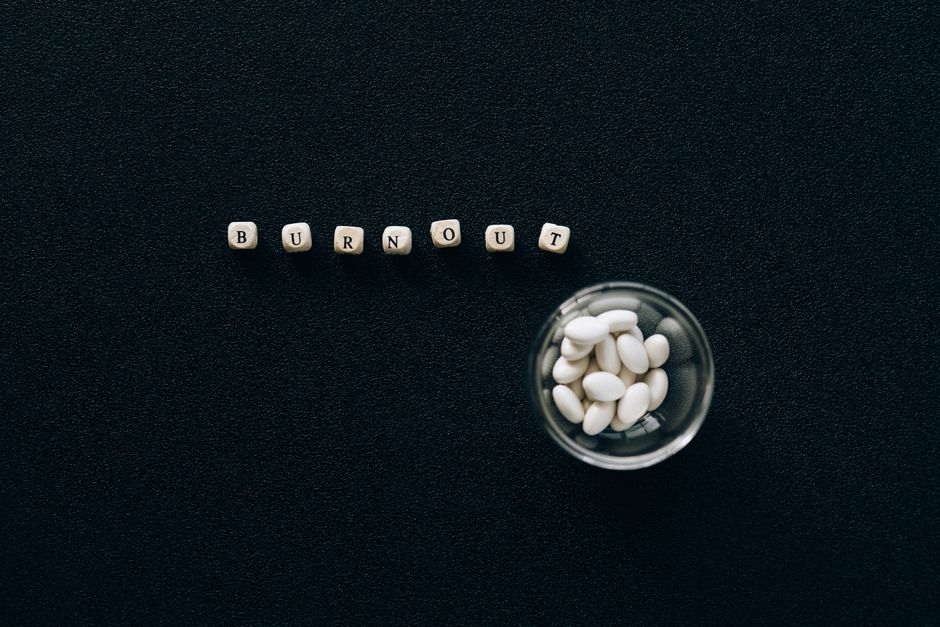
Exercise supports mood by regulating inflammation and improving insulin sensitivity, but it only works if you recover. This is where people get it wrong. They think "more is better." They push hard in the gym, eat half their required protein, and stay up until 1:00 AM on their phones. That isn't a fitness routine; that’s a burnout cycle waiting to happen.
For those struggling to unwind, sometimes recovery support is needed. I’ve often pointed clients toward high-quality, third-party tested recovery tools. Companies like Joy Organics focus on the importance of quality in supplementation, which is a philosophy I appreciate. If you’re going to support your body, do it with clean, transparent ingredients rather than the "next big thing" in the supplement aisle. But remember: supplements are the 1%; your sleep, your protein, and your hydration are the 99%.
Protein vs. The "Tuesday Night" Reality
I always ask my clients: "What would ways to stabilize blood sugar levels you actually do on a Tuesday night?" If you are exhausted, you aren't going to spend two hours meal-prepping chicken and rice. You are going to grab whatever is easiest. The key is having a baseline that survives your busiest days.
Practical Strategies for Busy People
- Prioritize the first meal: Even if it's just Greek yogurt or a protein shake, getting 25-30g of protein in the morning sets your blood sugar for the day. Keep it simple: Use pre-cooked proteins (rotisserie chicken, hard-boiled eggs, canned tuna) so you don't have to cook from scratch every time. Walk more: Walking is the most underrated form of mental maintenance. It clears the digital fog and helps regulate your nervous system. Audit your environment: If your smartphone is the first thing you grab when you’re tired, put it in another room for 30 minutes. Replace the "scrolling dopamine" with a "doing something" win.
Protein Sources and Their Role in Recovery
To keep things simple, use this table as a quick reference for your weekly grocery list. These items provide high-quality amino acid profiles essential for maintaining that elusive stable energy.
Source Recovery Benefit Ease of Use Greek Yogurt / Skyr High leucine for muscle repair High (No cooking) Canned Tuna/Salmon Omega-3s for brain health High (Pantry staple) Eggs Choline for cognitive function Medium (Quick cook) Whey/Plant Protein Powder Rapid absorption post-exercise High (Shake and go) Lean Beef/Ground Turkey B12 and Iron for endurance Medium (Pre-cook in bulk)The Bottom Line: Stop the All-or-Nothing Cycle
You don't need a perfect diet to feel better. You don't need to track every macro to the gram to realize that protein is the missing link in your https://smoothdecorator.com/beyond-the-feel-good-myth-how-dopamine-actually-drives-your-habits/ energy levels. You just need to be more consistent than you are erratic. When you hit your protein goals, you’re telling your brain that you are prepared to handle the day. I remember a project where thought they could save money but ended up paying more.. You’re building a buffer against the stress of your environment.
So, next Tuesday, when the fog rolls in and the algorithms are calling your name, stop. Ask yourself if you’ve actually nourished your brain today. Grab a quick, high-protein snack, put your phone down for a few minutes, and focus on your recovery. That isn't just fitness; that’s taking ownership of your mental and emotional well-being. It’s not about being a gym athlete—it’s about being a functioning, energized human being.
Stay consistent, keep it simple, and remember: you aren't broken. You’re just under-fueled.