If you’re navigating perimenopause and find yourself reaching for sugary snacks when mood swings hit, you’re far from alone. Mood swings during this midlife phase can strongly influence your appetite and cravings, especially for sugar. But it’s important to know this isn’t a sign of lacking willpower — it’s your hormones talking. Let’s unpack how perimenopause impacts hunger cues and mood, and explore practical, shame-free ways to work with your body instead of against it.
Understanding Perimenopause and Appetite Changes
Perimenopause is the transitional period before menopause when your ovaries gradually produce less estrogen and progesterone. This hormonal rollercoaster can cause many changes, including shifts in appetite and food cravings.
Why Hunger Feels Different Now
Simply put, your hormones directly affect your hunger and fullness signals. Estrogen and progesterone influence neurotransmitters like serotonin and dopamine, which help regulate mood and appetite. When these hormones fluctuate, your body’s hunger cues may feel stronger or less predictable.
- Estrogen generally helps curb appetite and affects mood-regulating brain chemicals. Progesterone tends to increase appetite and may push you toward calorie-rich comfort foods.
In perimenopause, uneven hormone levels can cause periods of increased hunger or sudden sugar cravings as your brain looks for quick mood boosts.
Mood Swings and Emotional Eating: What’s the Overlap?
Mood swings during perimenopause can feel intense — one moment calm, the next overwhelmed, anxious, or irritable. When your emotional inflammation and perimenopause appetite state struggles, food, especially sugary treats, can become a go-to for quick relief.
Emotional eating is when you eat in response to feelings rather than physical hunger. Sugar feels like a fast way to boost “feel-good” chemicals in your brain (think serotonin and dopamine). But this is a short-lived fix and often leads to guilt afterward.
Shame-Free Framing: Binge Episodes Aren’t a Character Flaw
If you experience episodes where you eat more sugar or comfort foods than you want, try to avoid shame or harsh self-talk. These behaviors are often your body and brain’s coping mechanisms during a tricky hormonal and emotional time. Recognizing this allows you to be kinder to yourself and more strategic about change.
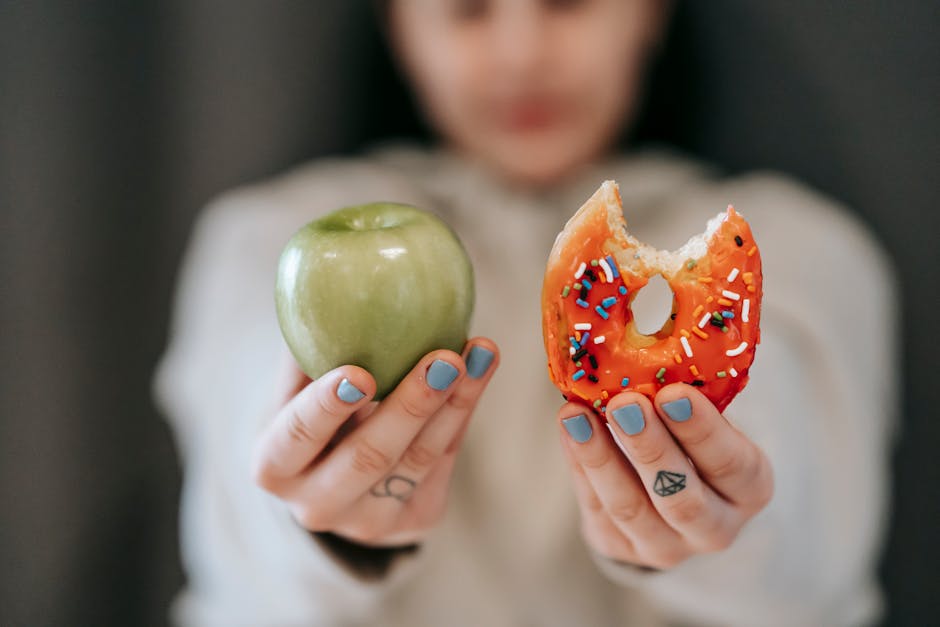
How Hormones and Hunger Cues Interact During Perimenopause
Hormone Effect on Appetite Impact on Mood Common Cravings Estrogen Generally suppresses appetite Boosts mood via serotonin Less intense cravings Progesterone Increases appetite, especially for dense calories Can cause irritability, anxiety Sweet and salty snacks Insulin & Blood Sugar Fluctuations can cause hunger pangs Low blood sugar may worsen mood swings Sugary, high-carb foodsTry This Today: Gentle Ways to Break Mood Swings Sugar Cravings
No fancy cooking or complicated dieting here — just simple, do-able steps you can use right now.
Keep protein and fiber handy. Balanced meals with lean protein, veggies, and whole grains stabilize blood sugar and mood—try a small handful of nuts or a boiled egg with fruit. Notice your triggers. Write down when mood swings hit and what you reach for. Awareness helps you interrupt patterns without judgment. Move your body gently. Even a 10-minute walk or stretching can lift mood and reduce stress-driven cravings. Hydrate well. Sometimes thirst is mistaken for hunger—drink a glass of water before grabbing a snack. Try a mood “pause.” When craving sugar, pause 5 minutes. Take deep breaths or do a quick mindfulness exercise to see if the craving softens. Keep healthy swaps visible. Fresh fruit, yogurt, or dark chocolate can satisfy sweet urges in a healthier way. Ask for support. Visit expert health pages like FindATopDoc to find women's health nutrition experts experienced in perimenopause support.Perimenopause Nutrition: More Than Cutting Calories
One-size-fits-all calorie restriction can backfire during perimenopause—your body needs nourishment and balance more than deprivation. Focus on nutrient-dense foods that promote stable blood sugar and support hormone health:
- Protein from fish, poultry, beans, and dairy Healthy fats like olive oil, avocados, nuts, and seeds Whole grains such as oats, quinoa, and brown rice Plenty of colorful fruits and vegetables
Alcohol and caffeine can worsen mood swings and click here sugar cravings—try to minimize or time intake thoughtfully.
When to Seek Professional Support
If mood-driven sugar cravings feel overwhelming or interfere with daily life, a consult with a registered dietitian nutritionist or your healthcare provider can help. They can evaluate your diet, hormone status, and emotional health, then tailor a plan just for you.
Find an expert in women’s health near you by exploring directories like FindATopDoc—start by clicking the Expert tab on their homepage, then browse specialties.
Final Thoughts: Be Patient and Kind with Yourself
Perimenopause mood swings and sugar cravings are a natural, though challenging, part of this transition. Instead of battling your cravings with willpower alone, think of your body as sending important signals. Respond with nourishing food, gentle movement, and self-compassion—and remember that help is available.
For more easy-to-understand information and tips on perimenopause nutrition and wellness, check out the FindATopDoc blog — their articles focus on patient-first explanations, perfect for navigating this tricky phase with confidence.