I’ve spent the better part of a decade reviewing gadgets that promise to “optimize your life.” I’ve worn enough heart-rate monitors to know that while your wrist might tell you you’re stressed, it rarely tells you what to do about it. When Microsoft announced its Copilot Health initiative, my first reaction wasn't excitement—it was skepticism. We’ve seen enough “AI healthcare support” tools promise the moon and deliver nothing more than a glorified Google search.

But there is something different about the current landscape. We are moving past the era of isolated data tracking and entering the era of integrated health ecosystems. The goal here isn't just to track your steps; it’s to make sense of the tangled mess that is modern healthcare. But before we get ahead of ourselves, let’s peel back the marketing layer and look at what this tech is actually trying to solve.
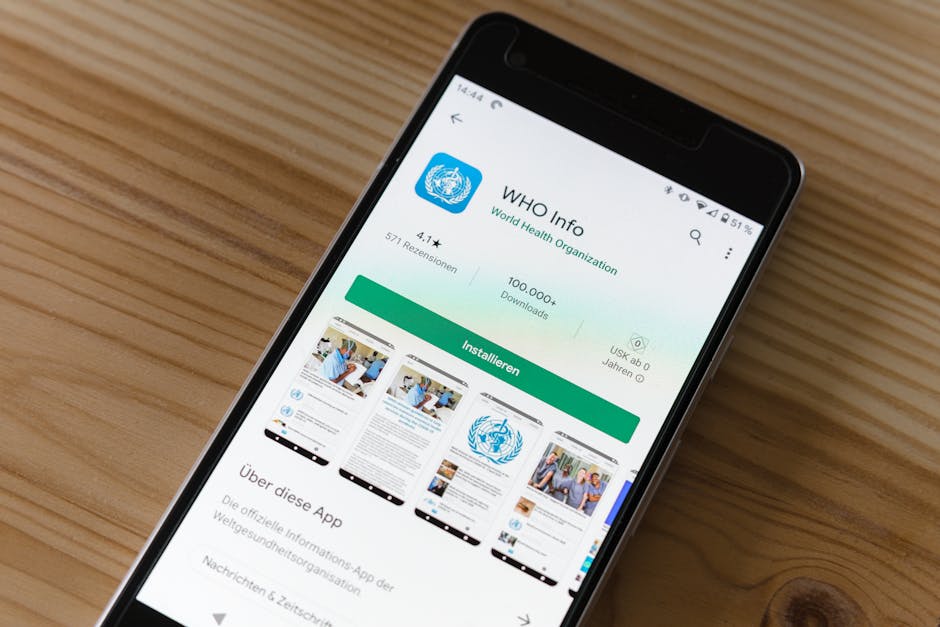
The Smartphone as the Center of the Health Universe
For years, your smartphone has been a graveyard for health data. You have a heart rate app, a calorie tracker, a period monitor, and a portal for your primary care physician. None of Find out more them talk to each other. Microsoft’s vision for the Copilot Health initiative is to turn the smartphone from a data silo into a command center.
The core promise here is connectivity. When we talk about AI healthcare support, we aren't just talking Article source about a chatbot answering questions; we’re talking about the automation of administrative burdens. Imagine a system that doesn't just remind you to take a medication, but cross-references that prescription with your local pharmacy’s delivery tracking. That’s the kind of "med reminders + delivery tracking" workflow that actually saves a user time, rather than just adding a notification to an already cluttered lock screen.
How Microsoft Copilot Health Integrates with Real-World Care
To understand where Microsoft is heading, we have to look at companies already bridging the gap between digital data and clinical outcomes. Take Releaf, for example. As a UK medical cannabis clinic, they provide a patient portal that isn't just a list of appointments—it’s a clinical tool. It tracks treatment efficacy, dosage, and patient feedback. If Microsoft’s Copilot can interface with platforms like these, the value proposition shifts from "general advice" to "actionable clinical insights."
Similarly, we’ve long relied on Healthline for health information. But searching for a condition on a search engine usually results in a rabbit hole of anxiety. An AI-driven model that curates information from trusted sources—filtering out the noise while maintaining context about your specific health history—is a massive upgrade over a standard search bar.
The Architecture of the Future: Mobile Apps and Cloud Dashboards
The "Copilot" approach relies on two pillars:
The Mobile App: The interface where you interact with your data on the fly. This is where you get quick summaries of lab results or reminders to follow up on a specialist appointment. The Cloud-Based Dashboard: This is where the heavy lifting happens. It aggregates data from your wearables, your provider’s EHR (Electronic Health Record), and your insurance portals, using AI to spot trends that a human doctor might miss in a 15-minute consultation.AI Symptom Navigation: The Double-Edged Sword
One of the loudest promises in the Copilot Health initiative is "answering online medical queries." Let’s be clear: this is where most companies fail. If an AI gives you a diagnosis without a source, it’s not helpful—it’s dangerous. As a tech editor, I’ve seen enough "wellness" apps fail to provide disclaimers to know that medical certainty without context is a liability.
When you ask an AI, "Why is my chest tight?", the goal isn't for it to say, "You have a heart condition." The goal is for the AI to ask you: "Is this pain new? Are you experiencing shortness of breath? Should I help you call your doctor?" Effective AI healthcare support is about navigation, not diagnosis. It’s about helping you find the right level of care at the right time.
Tool/Method Primary Strength The "Annoyance Factor" Traditional Search Engines Vast access to data High risk of misinformation; health anxiety. Dedicated Clinical Portals Secure; clinical accuracy Rigid; clunky UI; often disconnected from daily life. Microsoft Copilot (Vision) Context-aware; integrative Potentially invasive; high data privacy risk.What Sounds Helpful vs. What Actually Annays You
Part of my job involves keeping a "Watch List" of features that sound revolutionary in a keynote but become frustrating by week two of real-world use. Here’s what I’m keeping an eye on for Copilot Health:
- The "Over-Notification" Trap: If an AI pushes five notifications a day about my "wellness score," I will turn it off within forty-eight hours. Health tech needs to be invisible until it’s needed. The Vague Wellness Loop: If the app tells me to "sleep better" without connecting to my sleep tracker to suggest *why* my sleep is poor, it’s just noise. The Data Sharing Guessing Game: As a consumer tech editor, I always check what data a wearable shares. If Copilot Health doesn't give me granular control over what the AI can see—and who it shares that data with—it won't be usable for the average patient.
The Verdict: Is It Just Hype?
Microsoft’s push into health isn't about replacing doctors; it’s about fixing the broken "middle" of healthcare—the part where you are left to manage your own prescriptions, track your symptoms, and decode your own lab results. If they can successfully tie together the patient-facing side (like your mobile app and wearable data) with the clinical-facing side (like the workflows we see at specialized clinics like Releaf), then we might actually have something worth using.
However, the skepticism remains. We have seen big tech move into healthcare before, only to retreat when the complexity of clinical reality hit. The success of the Copilot Health initiative will not be measured by how many medical queries it can answer. It will be measured by its ability to respect user privacy, provide clear sources for its claims, and stop treating "wellness" as a generic marketing term. We need tools that treat health as a logistical problem that can be optimized, not a product to be sold.
Keep your data close, pay attention to the privacy policy, and don't let any AI tell you that it knows your body better than you do. Stay tuned—we’ll be watching how this rolls out to see if it delivers on the promise or just adds another app icon to your phone.