CBD tinctures have become a popular choice for people looking to explore hemp products without the intoxicating effects of THC. But if you’re new to CBD, one common question is: how long does a CBD tincture take to kick in under the tongue? Understanding the basics of CBD, the differences between CBD and THC, and why product quality matters will help set realistic expectations and ensure a safer experience.
CBD Basics vs THC and Intoxication
First, let’s clarify the difference between CBD (cannabidiol) and THC (tetrahydrocannabinol). Both are cannabinoids found in the cannabis plant, but they interact differently with your body’s endocannabinoid system.
- THC: The compound responsible for the “high” or intoxicating effect associated with marijuana. THC binds directly to cannabinoid receptors in the brain, causing psychoactive effects. CBD: Non-intoxicating and does not produce a high. Instead, CBD is thought to work indirectly with the system to provide calming, anti-inflammatory, and other potential benefits.
That means using a CBD tincture held under your tongue will not make you feel “high,” unlike THC products. However, it’s important to remember that some products marketed as “CBD” can contain trace amounts of THC—up to 0.3% by law under the 2018 Farm Bill.
FDA Approval and OTC Use
The Food and Drug Administration (FDA) has approved one CBD-based medicine, Epidiolex, specifically for seizure disorders like Lennox-Gastaut and Dravet syndromes. This medication is tested, dosed, and prescribed under medical supervision.
By contrast, most over-the-counter (OTC) CBD products, including tinctures from brands like Joy Organics, are sold as supplements or wellness products. They don’t require FDA approval, and their efficacy is not verified in the same way. This means:
- OTC CBD should not be considered a miracle cure or replacement for prescribed medication. Users should carefully research products, read labels, and be aware of possible drug interactions.
The Legal Landscape: 2018 Farm Bill and THC Content Limits
The 2018 Farm Bill legalized hemp—defined as cannabis containing less than 0.3% THC by dry weight—and products derived from it, including CBD tinctures. This means legitimate CBD products can be legally sold across the U.S., provided they meet this THC threshold.
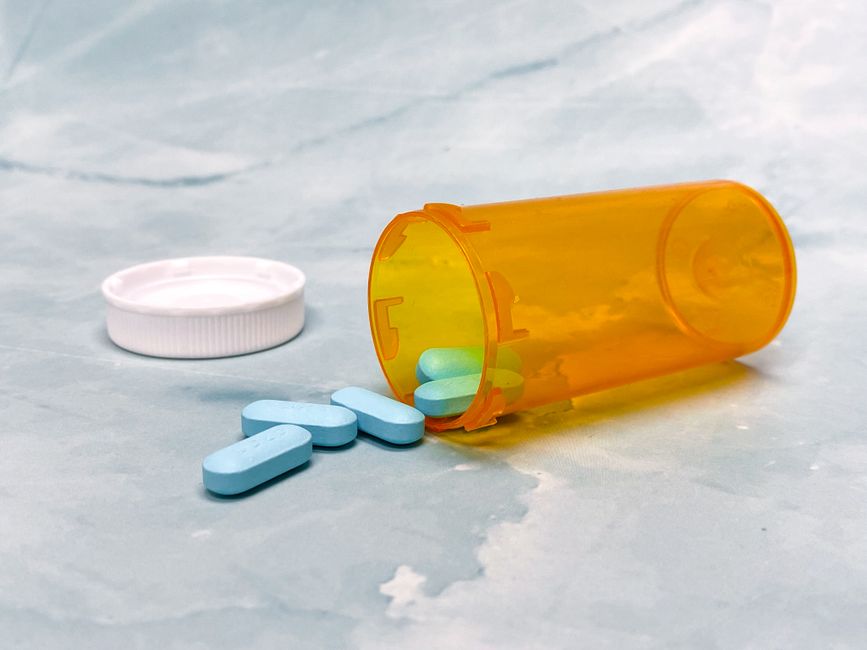
However, the law doesn’t guarantee consistent product quality or safety. Some products may contain more THC than claimed, or less CBD than advertised, highlighting the importance of transparency and testing.
Why Quality Variation Matters: COAs and Batch-Specific Laboratory Reporting
One of the biggest issues with OTC CBD tinctures is variable quality. Because the FDA doesn’t regulate supplements the same way as pharmaceuticals, you need to CBD oil for anxiety evidence rely on brands that provide clear, batch-specific certificate of analysis (COA) documents.
What is a COA? It’s a third-party laboratory report showing exactly what is in your CBD bottle. A trustworthy COA will include:
- Exact CBD and THC concentrations per batch Tests for contaminants such as heavy metals, pesticides, and solvents Verification that THC content is below 0.3% Details on moisture content and microbial contamination
Companies like Joy Organics stand out because they regularly publish batch-specific COAs on their websites. This transparency helps consumers choose safer, higher-quality tinctures and avoid mislabeled or contaminated products.
How Long Does a Tincture Held Under the Tongue Take to Kick In?
The most common method for using a CBD tincture is placing a measured dose under the tongue and holding it for about 30 to 60 seconds before swallowing. This is called the sublingual route and is preferred for a relatively quick onset.
Sublingual CBD Onset Time: 15 to 45 Minutes
Why does sublingual administration work faster than simply swallowing a capsule or edible? The reason is absorption:
The mucous membranes under your tongue let CBD molecules pass directly into your bloodstream. This bypasses the digestive system and liver metabolism, which can delay and reduce CBD’s effect. Users generally report feeling effects within 15 to 45 minutes.However, onset time can vary based on factors like:
- Your body weight and metabolism Dosage amount Your individual endocannabinoid system sensitivity Whether you’ve eaten recently (food can slow absorption)
What to Expect and How to Use CBD Tinctures Under the Tongue
To maximize the benefits and onset speed from your tincture:
- Use the dropper to place the desired dose under your tongue. Hold the tincture there for at least 30-60 seconds without swallowing. Swallow the remaining tincture after this time. Start with a lower dose and increase gradually based on how you feel.
Remember, consistent use over days or weeks is often necessary for people seeking to manage chronic symptoms or support wellness.
Summary Table: Routes of CBD Administration and Onset Times
Method Description Onset Time Duration Notes Sublingual (Tincture held under tongue) CBD oil absorbed through mucous membranes under the tongue 15 to 45 minutes 4 to 6 hours Bypasses digestion for quicker effects; recommended for fast onset Oral (Capsules, Edibles) Swallowed CBD absorbed through digestive tract 30 minutes to 2 hours 6 to 8 hours Longer onset time due to digestion; effects last longer Inhalation (Vaping, Smoking) CBD inhaled into lungs and absorbed into bloodstream Within minutes 2 to 3 hours Fastest onset but shorter duration; not advisable for all due to potential respiratory risksClosing Thoughts: Choose Quality, Be Patient, and Avoid False Promises
When you pick a trusted brand like Joy Organics that provides detailed batch-specific COAs, you reduce the risk of buying ineffective or unsafe CBD tinctures. Holding a tincture under your tongue is an effective way to speed up absorption, typically feeling effects within 15 to 45 minutes.
Lastly, be wary of claims that CBD is a “miracle https://bizzmarkblog.com/how-do-i-find-the-coa-for-my-cbd-product-and-read-it/ cure” or treats every condition under the sun. While research is promising, CBD is not a replacement for medical care, especially in serious conditions. Always discuss new supplements with your healthcare provider, especially if you take prescription medications, as CBD can interact with certain drugs.

Informed choices, transparency, and realistic expectations are the best way to safely explore CBD tinctures and discover if they suit your wellness routine.