In the landscape of modern UK healthcare, the digital transformation has reached a pivotal point: medical cannabis access. Since 2018, when the law was amended to allow specialist doctors to prescribe cannabis-based products for medicinal use, the industry has shifted toward remote, technology-led care. For many patients, the sheer volume of information—and misinformation—surrounding this can be overwhelming.
As someone who has spent the last nine years navigating the space between clinical research and patient care, I often see patients tripped up by the assumption that the process is a simple, over-the-counter transaction. It is not. Understanding how digital prescription management works requires looking at the regulatory guardrails, the technology behind the patient portals, and, most importantly, the clinical reality of who actually qualifies.
What is Medical Cannabis?
First, let’s define our terms. Medical cannabis refers to cannabis-derived products (containing cannabinoids like THC and CBD) that have been standardised and produced to pharmaceutical grade for use in treating specific, chronic health conditions. Unlike recreational cannabis—which is illegal in the UK and used primarily for its psychoactive effects outside of a medical context—medical cannabis is strictly controlled, regulated, and prescribed to manage symptoms when other treatments have failed.
What this means for you: You cannot simply request a prescription because you believe it might help; it is a clinical intervention for patients with documented, treatment-resistant conditions.
The Regulatory Landscape: Who Can Prescribe?
It is a common misconception that your local GP (General Practitioner) can issue a prescription for medical cannabis. Under current UK law, only a doctor listed on the General Medical Council (GMC) Specialist Register can prescribe these products. This means your care must be overseen by a consultant specialist who has specific expertise in your condition (such as chronic pain, epilepsy, or anxiety disorders).
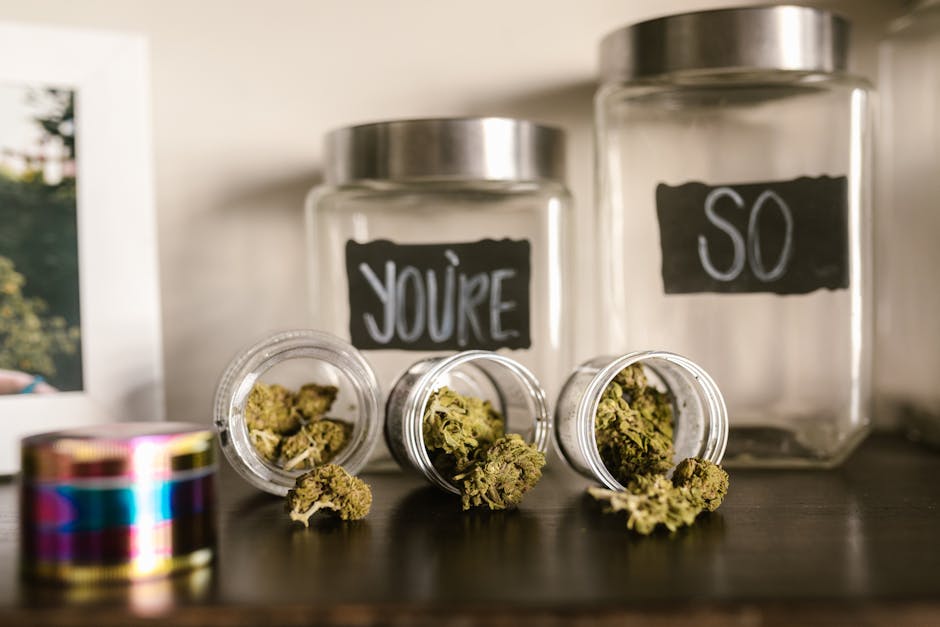
This is why the process involves rigorous screening. Clinics are not "weed dispensaries"; they are medical facilities that use telehealth—the delivery of healthcare services through digital technology, such as video calls and online portals—to conduct assessments.
Eligibility and the Importance of Prior Treatments
A crucial point that many online resources gloss over is the concept of eligibility. You are generally only considered eligible for medical cannabis if you have already trialed at least two conventional treatments or therapies for your condition and they have either failed to provide relief or caused intolerable side effects.
Your clinical history is the foundation of your assessment. Before you even see a doctor, you will likely be required to provide a Summary of Care or a list of your previous medications. If you have not exhausted standard NHS guidelines or primary care treatments for your specific condition, a specialist will likely decline your application for a prescription.
What this means for you: Do not start the process without gathering your medical records. The clinic needs evidence of your treatment journey to justify a specialist prescription under NHS guidance standards.
How Digital Platforms Manage Your Care
The core of modern clinic operations is the secure patient platform. This is a centralized, encrypted website where you manage every aspect of your clinical journey. These platforms are designed to bridge the gap between the patient’s home and the specialist’s office.
1. Digital-First Patient Platforms
These platforms act as the "control center" for your treatment. They handle appointment scheduling, secure messaging, and document uploads. Because medical cannabis involves sensitive health data, these platforms are required to comply with UK Data Protection Act (DPA) standards and GDPR (General Data Protection Regulation), ensuring your history and prescription details remain private.
2. Clinic Communication Tools
Effective clinic communication tools—such as secure, in-app messaging services—allow you to reach your clinical team between appointments. If you experience a side https://healthstartsinthekitchen.com/what-people-in-the-uk-should-know-about-medical-cannabis-in-2026/ effect, have a question about your dosing regimen, or need a repeat prescription, you do not need to wait for a physical consultation in a hospital. You simply log in to your patient portal, submit your query, and the clinical team reviews it.
The Workflow: From Consultation to Delivery
To give you a clearer picture of how this works in practice, here is a step-by-step breakdown of the digital prescription management cycle.

A Note on Consultation Pricing
A frequent error I see in health forums is the focus on "fixed prices." Please be wary of any site claiming to have a static price for a prescription. Consultation fees, medication costs, and repeat prescription fees vary significantly depending on the clinic and the specific medication required. Always check the individual clinic’s website for their current fee structure, but remember that the highest-quality care is rarely the cheapest. Prioritize clinics that offer transparent pricing models and clear information on their long-term follow-up costs.
Addressing Common Misconceptions
I frequently encounter patients who believe that because they are paying for a service, they are "guaranteed" a prescription. This is incorrect. A specialist has a duty of care to determine if a prescription is safe and appropriate for you.
- Overpromising Outcomes: Be skeptical of any clinic or article that promises medical cannabis will "cure" your condition or provide specific results. It is a symptomatic treatment, not a magic bullet. The "Consultation" Requirement: You will have regular follow-up appointments. These are not just to get more medicine; they are essential safety checks where the doctor reviews how you are responding to the medication and whether your dosage needs adjustment. Pharmacological Interaction: Your specialist will look at your current medication list to ensure there are no negative interactions. This is a critical part of the assessment that cannot be bypassed.
Why Digital Management Benefits the Patient
Before these platforms existed, managing chronic prescriptions meant physical paperwork, chasing GPs, and waiting for letters to be posted. Digital management streamlines this.
When your specialist signs a prescription, it is sent electronically to a pharmacy authorized to handle cannabis-based medicinal products. This reduces the time between a consultation and the arrival of your medication. Furthermore, the ability to track your dosage and report side effects through the patient portal means your specialist has a much better overview of your progress than they would from a one-off paper prescription.
What this means for you: Your "digital trail" is your best advocate. By keeping your portal updated with how you feel, you help the doctor make data-backed decisions about your health.
Conclusion
Prescription management in the medical cannabis space is as much about data and digital infrastructure as it is about the medicine itself. By using telehealth and secure portals, clinics can provide a level of oversight that is both efficient and legally compliant with UK requirements.
However, the technology is merely a vehicle. Your success in this process will always depend on your clinical eligibility, your history of prior treatments, and the expertise of the specialist consultant overseeing your care. If you are considering this path, approach it with a clear understanding of the clinical requirements and a focus on long-term health outcomes rather than quick fixes.
Disclaimer: I am a health writer, not a doctor. This information is for educational purposes and should not replace professional medical advice. Always consult with a registered healthcare professional or specialist regarding your specific health condition and potential treatments.