As someone who’s spent 11 years navigating the gritty world of Scottish lower-league football — from muddy changing rooms to physio bays — I know first-hand how the culture around pain and injury can shape what footballers do (or don’t do) to look after themselves. One client recently told me learned this lesson the hard way.. One question that keeps cropping up, especially among players and players-to-be dealing with stubborn or persistent issues, is:
Does having a UK prescription mean I’m automatically safe from anti-doping rules on the football pitch?
Simple answer:
No. A prescription is not an exemption. Understanding what this means — why it matters — and how you can responsibly manage injury, persistent pain, and long-term joint health is crucial if you want to keep playing without risking your reputation or your future.
Why this matters: Football culture and stigma around reporting pain
Football — especially at lower-league levels — is still laced with a "man up and carry on" mentality. Players report pain reluctantly, often fearing they’ll be seen as weak or get dropped. Coaches sometimes practically punish players who openly admit to pain, pushing them to “play on” even if it risks further damage.
This attitude contributes to several long-term consequences:
- Imperfect healing: Injuries not allowed to fully recover can heal poorly. Cumulative loading: Repeated stress on damaged tissues leads to ongoing degeneration. Central sensitisation: The nervous system becomes overly sensitive, amplifying pain signals beyond the original injury.
Over time, poorly managed pain and injury can contribute to conditions like osteoarthritis and persistent pain syndromes — things that make continuing in football tough if not properly addressed.
UK anti-doping and medication: the basics
The UK Anti-Doping (UKAD) website guidance spells it out clearly: having a prescription from a UK doctor doesn’t provide immunity from anti-doping rules. In other words, your prescription isn’t an exemption.

Anti-doping rules exist to keep sport fair and safe. Some medications contain substances banned in competition. Being prescribed that drug doesn’t automatically mean you’re allowed to take it during matches or official competitions.
What’s an exemption, then?
It’s a formal, strictly controlled process called a Therapeutic Use pieandbovril.com Exemption (TUE). That allows athletes to use a prohibited substance for legitimate medical reasons but only after submitting detailed medical evidence and getting approval.
TUEs are carefully regulated and limited — and they’re not something you just get handed because your GP put something on a prescription pad.
Common pitfalls: Why a prescription alone doesn’t cut it
Players often assume that if a doctor prescribes something, that’s all they need to stay “legal” on the pitch. But anti-doping bodies look at the substance, the timing of use, and the athlete’s status (amateur, semi-pro, pro) to determine rules.
Here are a few practical examples:
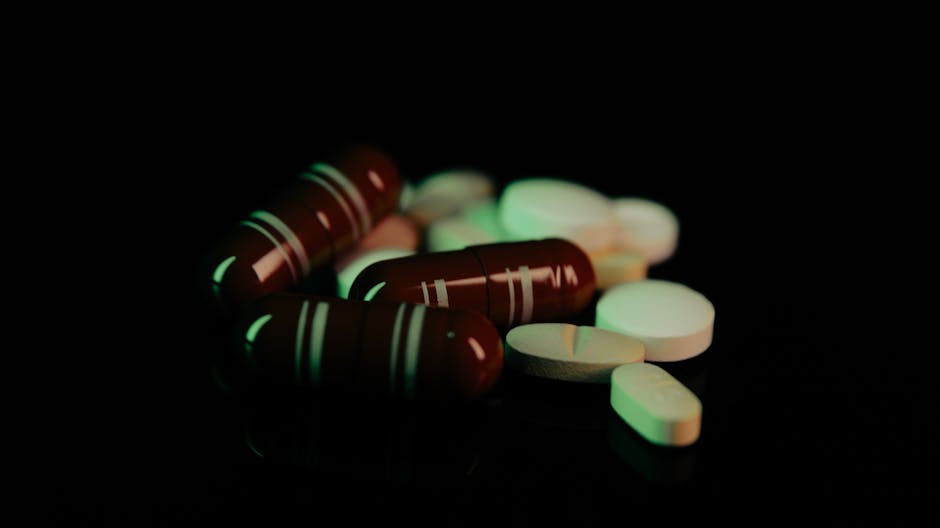
- Codeine or Tramadol: Sometimes prescribed for pain but can be banned or restricted due to their potential performance and abuse effects. Medical cannabis: Increasingly used in managing chronic pain, including through private clinics, but it’s on the prohibited list during competition. Even if legally prescribed, it won’t exempt you from testing positive. Anti-inflammatory steroids: Depending on the type and method of administration, some steroids are banned.
As a player, failing an anti-doping test—even unintentionally—can result in suspensions, bans, loss of reputation, and worse.
Private clinic pathway for medical cannabis
For those considering medical cannabis through private clinics (which is becoming a more common pathway in the UK for chronic pain management), be aware:
The prescription is legal and valid for your pain management. However, cannabis and related cannabinoids are banned substances in competition by UKAD. You must not use the medication within competition or risk testing positive.If you’re a footballer thinking of this option, you need to be upfront about potential anti-doping consequences and consider alternative pain management strategies during the season.
How does pain become persistent? The science behind it
We often focus on the immediate injury — but what happens next can be crucial.
Imperfect healing
Tissues don’t always heal back to their original strength or structure, especially if you return to play too soon or don’t follow a proper rehab plan. This leaves the injured area vulnerable to re-injury or chronic irritation.
Cumulative loading
Imagine bending a paperclip back and forth. At first, it flexes alright. But keep at it and eventually, it weakens and breaks. Similarly, repeatedly loading an injured joint or muscle without appropriate recovery can cause long-term deterioration.
Central sensitisation
This is where the pain-processing system in your brain and spinal cord gets ‘turned up’ and starts amplifying pain signals even after the original injury has healed. This mechanism can explain why some folks experience persistent, sometimes widespread pain regardless of obvious tissue damage.
Active rehabilitation: The key to long-term outcomes
“Just rest it” is about the worst advice you can get for most muscular or joint injuries — yet it’s what many get told.
Instead, building a structured, simple rehab routine you can stick to — including graded exercise and strengthening — is crucial. Here’s why:
- Graded exercise: Slowly increasing your activity levels helps re-train muscles and tendons safely and reduces fear of movement. Strengthening: Targeted exercises improve the muscle support around the joint, distributing load more evenly and reducing strain on weak structures. Neuromuscular control: Enhancing coordination reduces the risk of awkward movements that might re-injure you.
This doesn’t mean a 2-hour gym grind every day. A simple, progressive plan done consistently over weeks and months is what keeps players on the pitch — pain managed, joints protected, and performance maintained.
Your best next steps as a player or fan with a dodgy knee
Check any meds you’re taking against the UKAD banned list. You can do this on their official medications advice page. Never assume your prescription is a free pass. If you need medication that might be banned, investigate Therapeutic Use Exemptions well ahead of any competition. Focus on active rehabilitation. Seek physiotherapy input (ideally someone who knows football’s demands) and follow a graded plan rather than hiding behind rest and painkillers alone. Be honest with your medical team and coach. What changed in the last 6 weeks to push your pain from manageable to problematic? Identifying these triggers is key to sorting things properly. Don’t buy into the “brag about playing injured” culture. Playing with untreated pain only sets you up for chronic issues later, including early osteoarthritis.Summary Table: Prescription versus Anti-Doping Permissions
Criterion UK Prescription Anti-Doping Exemption (TUE) Legal validity Valid for UK medical use Valid for use in competition under anti-doping rules Automatic permission to use banned substance? No Yes, if formally approved Application required? No Yes (detailed medical review) Implication for testing positive High risk if substance is prohibited Protected from sanction if approvedFinal thoughts
In football, acknowledging pain and injury properly isn’t just about avoiding bans or rules — it’s about protecting your future on the pitch and beyond. A UK prescription for medication doesn’t shield you from anti-doping rules; understanding what’s permitted, what needs formal exemptions, and how to manage your pain with active rehab is your best game plan. ...but anyway.
If you’re struggling with persistent knee pain, old strappings in your drawer, or that niggly soreness everyone expects you to just “play through” — take a step back, ask “what changed recently?”, and get sensible advice you can trust.
After all, playing football for years to come beats playing hurt and banned.
For detailed medication advice, always consult the official UK Anti-Doping medication guidance, and be wary of quick fixes or vague advice like “just rest it.”