After a decade of reviewing Android flagships and wearable tech, I’ve seen the industry pivot from counting steps to counting "wellness metrics." We’ve gone from tracking heart rate to monitoring cortisol markers and sleep architecture. But there is a massive gap between a slick user interface on a smartphone and actual clinical efficacy. When we talk about digital therapy tools, we aren't just talking about another meditation app that sends you a notification at 7:00 AM; we are talking about a shift toward integrated, remote-monitored health ecosystems.
If you are looking for "better wellness"—a term I generally find to be marketing fluff—you won’t find it here. What you will find is a breakdown of how these tools are actually changing patient outcomes, where they fail, and how to tell the difference between a useful medical dashboard and a data-harvesting trap.
What Are Digital Therapy Tools?
Digital therapy tools are not a single product category. They are a stack of software, mobile apps, and cloud-based dashboards that bridge the gap between a patient’s daily life and a clinician’s office. At their core, these tools are designed to move mental health and chronic condition management out of the clinic and into the user’s pocket.
The "smartphone as the wellness hub" isn't a metaphor anymore. It is the literal entry point for:
- Mental health tracking: Logging mood, behavior, and physiological markers. Telehealth access: Secure video conferencing and asynchronous messaging. Workflow integration: Linking a symptom diary to a prescription refill, or a sleep score to an AI-driven behavioral adjustment.
Take, for instance, the integration of medication reminders with delivery tracking. This is a perfect example of tech making a difference. It’s not just about "remembering to take a pill"; it’s about a closed-loop system where the patient is prompted, the pharmacy is alerted, and the delivery status is tracked—all within one portal. That is a functional tool, not a lifestyle gadget.
Who Are These Tools For?
The primary users for these tools fall into three camps: patients with chronic needs, employers managing workplace mental health resources, and clinicians attempting to scale their care. However, the most critical user is the patient who needs "in-between" care—the support that happens between the initial diagnosis and the follow-up visit.
The Employer Perspective
Corporate wellness programs have historically been disastrous, focusing on "step challenges" that do little to combat burnout. Modern digital therapy tools offer a more robust path. By providing anonymous access to therapy platforms and AI-driven stress management, companies can offer resources that feel clinical rather than performative. This is where the shift from "wellness" to "digital health" is most visible.
The Clinical Perspective
For clinicians, the primary draw is data. If a patient is using a mobile app to track anxiety levels, that data is pushed to a cloud-based dashboard. The clinician reviews this before the session, allowing the actual therapy time to be focused on intervention rather than history-taking. This is where companies like Releaf are making headway in the UK—not just by prescribing medical cannabis, but by managing the patient’s entire journey from initial consultation to secure, tracked medication delivery.
The AI Frontier: Navigating Symptoms
We are seeing an influx of AI symptom navigation and medical query tools. Microsoft’s Copilot Health initiative is a significant marker of this trend. By using large language models to parse clinical guidelines, these tools can help users understand whether their symptoms require an emergency room visit, a telehealth appointment, or simple home management.
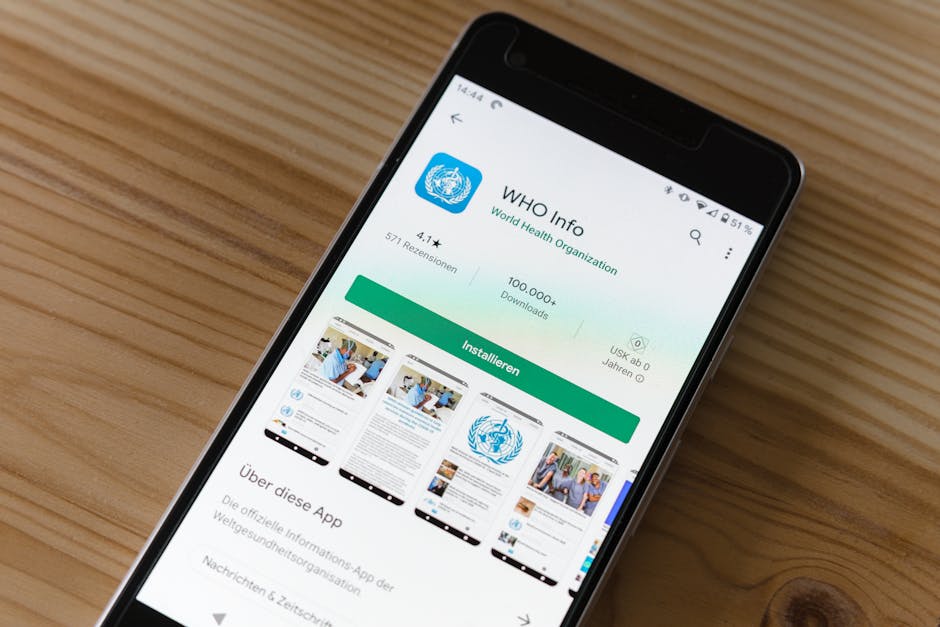
However, a note of caution: AI is not a doctor. If a tool suggests a diagnosis with "medical certainty" without a clear citation or a disclaimer, close the app. My running list of "features that annoy users in week two" is headlined by AI bots that provide generic advice while failing to acknowledge the severity of an individual's specific health history.
Feature Type Value to Patient Risk Factor Mental Health Tracking Provides long-term data for therapy. Data privacy/Selling health habits. AI Symptom Navigation Immediate triage guidance. Hallucinated advice/lack of clinical depth. Integrated Prescription Tracking Ensures medication adherence. Fragmented data across providers.My "Week Two" Checklist: What Actually Sticks?
As a tech reviewer, I’ve learned that apps often fail the "Week Two Test." A tool might look amazing during setup, but if it requires constant input or offers no actionable insights, the user will delete it by day fourteen. When you’re evaluating a new digital therapy platform, look for these three criteria:
The "Actionable" Quotient: Does the app tell you *what* to do with your data, or just show you a pretty chart? If you track your sleep but the app doesn't suggest a change in routine or offer a professional referral, it's just a digital diary. Data Transparency: Before you sign up, check the privacy policy. Is your mental health data being used to train third-party models? Is it shared with advertisers? Reliable tools—like those referenced by Healthline when discussing vetted mental health apps—usually have transparent, patient-first data policies. Clinical Connectivity: Can you export your records? Can your doctor see them? A tool that exists in a vacuum is rarely worth your time if you are managing a clinical condition.The Normalization of Remote Care
Telehealth is no longer the "Plan B" it was machine learning for better health in 2020. It is now the standard for initial screenings and ongoing maintenance. The normalization of these digital pathways means that clinicians are increasingly relying on the data *you* generate. When a platform allows you to upload photos of a rash, input your daily mood score, and manage a controlled prescription, it becomes an extension of your medical record.
However, this transition requires vigilance. We are entering an era where "Digital Therapy" will be prescribed. Your insurance provider might cover a specific mobile app just as they cover a blood pressure cuff. In this environment, the "wellness" marketing fluff disappears, and the focus shifts entirely to evidence-based outcomes.
Final Thoughts: Avoiding the Tech Trap
If you take anything away from this, let it be this: Digital tools are meant to facilitate human care, not replace it. Whether you are utilizing a portal to talk to a specialist at a clinic like Releaf, or using a symptom-checker backed by an AI initiative like Microsoft’s, the technology should feel invisible. If the technology is the main event—if the app is distracting, constantly pinging you for "engagement," or trying to upsell you on additional services—it has failed as a clinical tool.
Keep your focus on tools that provide clear, clinical value and handle your data with the privacy a medical record deserves. If an app can help you manage your mental health without becoming an unwanted companion on your lock screen, you’ve found a winner. If it just adds to your daily "notification fatigue," delete it. Your mental health is stressful enough without your phone helping out.
Disclaimer: The information provided in this article is for educational purposes only and does not constitute medical advice, diagnosis, or treatment. Always seek the advice of your physician or other qualified health provider with any questions you may have regarding a medical condition.